
Today brings historic firsts for both SpaceX and Bangladesh: the former is sending up the final, highly updated revision of its Falcon 9 rocket for the first time, and the latter is launching its first satellite. It’s a preview of the democratized space economy to come this century.
Update: Success! The Falcon 9 first stage, after delivering the second stage to the border of space, has successfully landed on the drone ship Of Course I Still Love You, and Bangabandhu has been delivered to its target orbit.
You can watch the launch below:
Although Bangabandhu-1 is definitely important, especially to the nation launching it, it is not necessarily in itself a highly notable satellite. It’s to be a geostationary communications hub that serves the whole country and region with standard C-band and Ku-band connectivity for all kinds of purposes.
Currently the country spends some $14 million per year renting satellite time from other countries, something they determined to stop doing as a matter of national pride and independence.
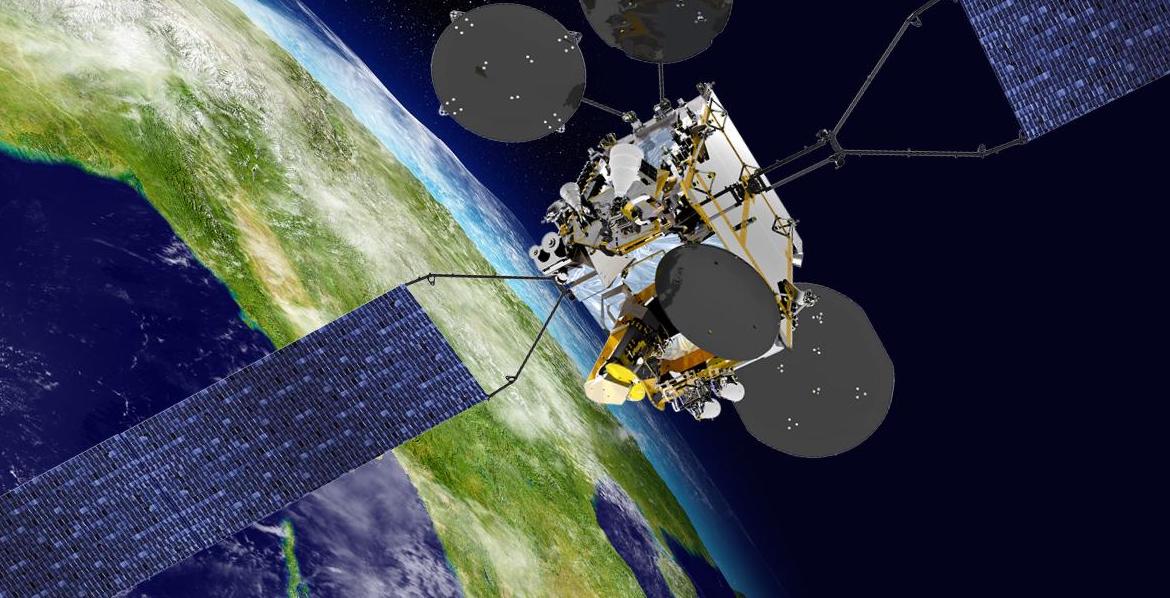 “A sovereign country, in a pursuit of sustainable development, needs its own satellite in order to reduce its dependency on other nations,” reads[1] the project description at the country’s Telecommunications Regulation Commission, which has been pursuing the idea for nearly a decade.
It contracted with Thales Alenia Space to produce and test the satellite, which cost about $250 million and is expected to last at least 15 years. In addition to letting the country avoid paying satellite rent, it could generate revenue by selling its services to private companies and nearby nations.
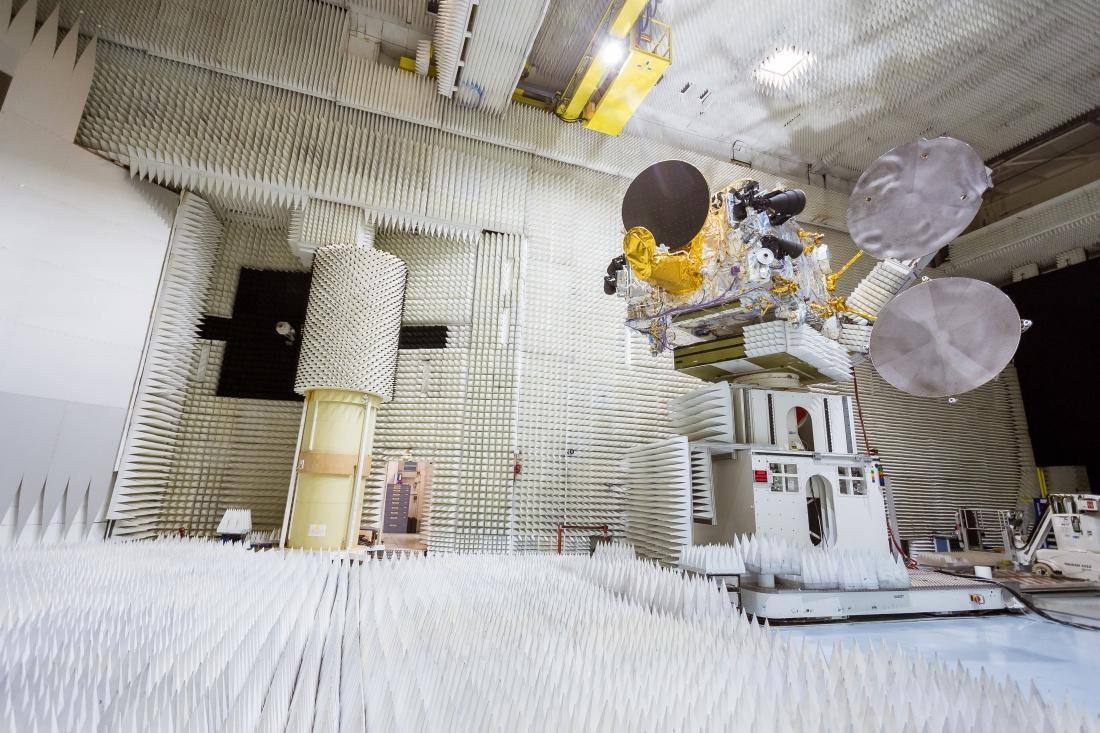
Bangabandhu-1 in a Thales test chamber.
“This satellite, which carries the symbolic name of the father of the nation, Bangabandhu, is a...